
Understanding the psychology behind gambling behaviors in casinos
The Allure of Gambling
The world of casinos is enchanting, drawing millions to their vibrant lights and the thrill of potential fortune. The allure of gambling often stems from the excitement it generates, creating an environment that heightens arousal and encourages risk-taking. This stimulating atmosphere can trigger a release of dopamine in the brain, reinforcing the desire to continue playing in hopes of a big win. For those interested in gaming options, exploring casino Spain could offer new experiences.
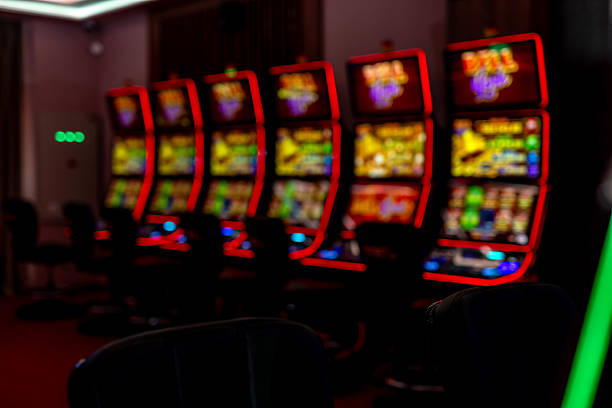
Furthermore, the unpredictable nature of games like slots and roulette adds to the excitement. Players are often lured by the prospect of winning, not just money but also the thrill of the experience itself. This mix of anticipation and reward can create a powerful psychological pull, making it difficult for individuals to walk away even when they know the odds are against them.
Cognitive biases play a significant role in shaping gambling behaviors. One common bias is the illusion of control, where players believe they can influence the outcome of a game, even in games governed by chance. This mindset leads many to engage more deeply in gambling, convinced that they hold some power over their fate.
Another prevalent cognitive bias is the gambler’s fallacy, where individuals think that past events influence future outcomes. For instance, a player might assume that a slot machine is “due” for a win after a series of losses. These biases can skew judgment, resulting in reckless behaviors and an increased likelihood of chasing losses.
Gambling is not just an individual activity; it is often a social one that encourages interaction and shared experiences. Many people visit casinos with friends or family, creating a sense of community that can enhance the enjoyment of gambling. This social aspect can sometimes mask the potential risks, as group dynamics may lead individuals to gamble more than they would alone.
Additionally, casinos often design their environments to promote social interaction. From lounge areas to bars and dining options, the layout encourages players to stay longer and engage with others. This social engagement can lead to a deeper emotional investment in the gambling experience, further complicating the decision-making process when it comes to spending and risking money.
Emotions are central to understanding gambling behaviors, particularly in cases of addiction. Many individuals turn to gambling as an escape from stress, anxiety, or depression, seeking a temporary relief that the thrill of winning can provide. Unfortunately, this can lead to a cycle where individuals rely on gambling to cope with negative emotions, ultimately exacerbating their issues.
Moreover, as the stakes grow higher, the emotional highs and lows can become more intense. Winning can generate euphoria, while losing can lead to despair. This rollercoaster of emotions can make it difficult for individuals to recognize when their gambling habits have crossed into unhealthy territory, making awareness and intervention critical in addressing gambling addiction.
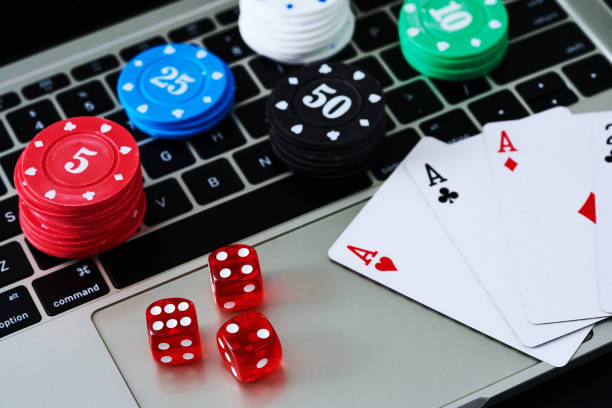
As the conversation surrounding gambling behaviors evolves, so too does the emphasis on responsible gambling practices. A secure platform prioritizes user safety, ensuring that individuals can enjoy their gaming experience without risking their well-being. By offering valuable content and support, such platforms can enhance the overall online gambling experience while promoting a healthier relationship with gaming.
Understanding the psychology behind gambling is essential for players, particularly as it relates to making informed decisions. Through education and awareness, users can navigate the complexities of gambling behaviors and engage in responsible practices. A supportive and professional environment can significantly enhance user experience, ensuring that gambling remains a fun and entertaining activity rather than a source of stress or financial strain.
“`