
Understanding the impact of gambling addiction on mental health
Defining Gambling Addiction
Gambling addiction, also known as compulsive gambling, is characterized by an uncontrollable urge to gamble despite the negative consequences. This behavior often leads individuals to prioritize gambling over other important aspects of life, such as relationships, work, and health. Understanding this addiction is crucial, as it can significantly impact both the gambler and their loved ones. For those interested in expanding their understanding of related topics, visiting https://www.rdcr.in/ can provide valuable insights.
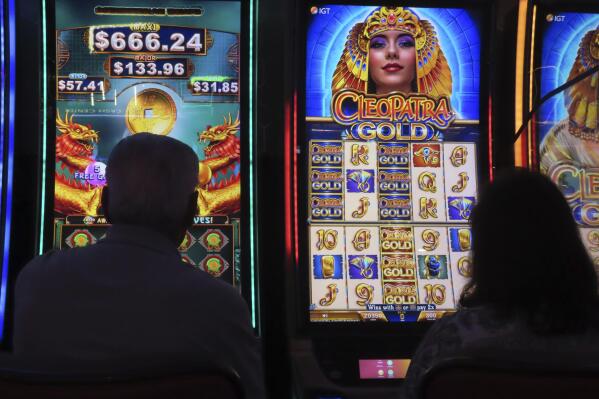
Many individuals may initially view gambling as a source of entertainment. However, for some, it transforms into a compulsive behavior that can spiral out of control. This addiction is often accompanied by a range of emotional and psychological issues, such as anxiety, depression, and feelings of guilt or shame, which further complicate the individual’s mental health.
The Psychological Effects of Gambling Addiction
The psychological impact of gambling addiction is profound and multifaceted. Many individuals experience heightened levels of stress and anxiety due to their gambling habits. This stress often stems from financial losses, strained relationships, and a sense of isolation that can accompany the addiction. Implementing effective tips and tricks for managing emotions can help mitigate these issues.
Additionally, gambling addiction can lead to significant mental health disorders, including major depressive disorder and anxiety disorders. The constant cycle of hope for a win, followed by loss and regret, creates a rollercoaster of emotions that can be overwhelming, leaving individuals feeling trapped in a vicious cycle.
Social Consequences of Gambling Addiction
Beyond individual psychological effects, gambling addiction has far-reaching social consequences. Relationships with family and friends can suffer as the individual becomes more withdrawn and secretive about their gambling activities. Trust is often broken, leading to conflicts and emotional distress among loved ones.
Moreover, the stigma surrounding gambling addiction can prevent individuals from seeking help. Many people feel embarrassed or ashamed to discuss their struggles, further isolating themselves and exacerbating their mental health issues. This social withdrawal can create a feedback loop, where the addiction worsens as social support diminishes.
Seeking Help for Gambling Addiction
Recognizing the need for help is a significant first step for anyone struggling with gambling addiction. Various treatment options are available, ranging from therapy to support groups. Cognitive-behavioral therapy (CBT) is particularly effective, as it helps individuals understand the underlying thoughts and behaviors that contribute to their gambling.
Support groups, such as Gamblers Anonymous, provide a community for individuals to share their experiences and learn from others facing similar challenges. These environments foster a sense of belonging and understanding, which can be incredibly beneficial for mental health recovery.

Conclusion and Resources for Recovery
Understanding the impact of gambling addiction on mental health is essential for promoting awareness and encouraging those affected to seek help. The journey to recovery can be challenging, but support and resources are available to guide individuals through this process. Seeking professional help and participating in support groups can significantly improve one’s mental health and overall well-being.
If you or someone you know is struggling with gambling addiction, it’s important to reach out for help. There are numerous resources available to assist individuals on their path to recovery and to rebuild their lives free from the grip of gambling addiction.