
The role of cultural heritage in shaping gambling practices worldwide
The Influence of Tradition on Gambling
Cultural heritage significantly influences gambling practices across the globe. Many communities integrate traditional beliefs and rituals into their gambling activities, shaping the types of games played and the manner in which they are enjoyed. For instance, in some Indigenous cultures, gambling serves not only as entertainment but also as a means of social cohesion and community bonding. These traditional practices often reflect the values and historical narratives of the people, making gambling a culturally rich experience. Engaging with games can even include elements of real money slots that resonate with local traditions.
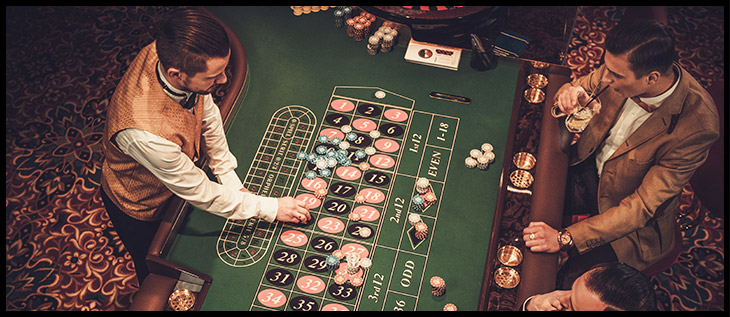
Moreover, the variation in gambling customs often aligns with local traditions, whether it involves card games, dice, or even betting on sports. Such diversity enhances the overall experience, allowing participants to connect with their heritage while engaging in gambling activities.
The Impact of Religion on Gambling Norms
Religious beliefs play a crucial role in shaping attitudes toward gambling. In cultures where gambling is viewed as a vice, such as in certain Islamic societies, the practice is heavily restricted and often taboo. Conversely, in regions where gambling is integrated into cultural celebrations, such as the festivities surrounding Carnival in Brazil, it is not only accepted but encouraged as a form of community engagement.
This dichotomy illustrates how deeply ingrained religious perspectives can dictate not just the legality of gambling, but also its social acceptance. In many instances, gambling practices have evolved in response to religious teachings, leading to unique forms of play that resonate with local values.
The Evolution of Gambling Through Cultural Exchange
Cultural exchange has historically led to the evolution of gambling practices. The migration of people and the mixing of different cultural backgrounds have resulted in the blending of gambling styles and games. For example, the introduction of poker to Europe from the United States transformed local gaming customs and created a hybrid culture of gambling.
As cultures interact, they share not only games but also strategies, beliefs, and rituals associated with gambling. This constant evolution often leads to the creation of new betting formats and gaming experiences that reflect a fusion of various cultural elements, showcasing the adaptability of gambling practices throughout history.
The Role of Government and Regulation
Government regulations surrounding gambling are often influenced by cultural heritage. In some countries, where gambling has historical significance, state-run lotteries and casinos are commonplace. Conversely, in regions where gambling is frowned upon, regulations can be stringent and punitive. These laws often reflect the cultural attitudes of the population, balancing economic interests with traditional values.
This interplay between culture and regulation can lead to varying degrees of acceptance and participation in gambling activities. While some nations embrace gambling as a source of revenue, others continue to wrestle with its implications for social well-being, demonstrating the complex relationship between cultural heritage and gambling practices.

Conclusion and Website Role
The exploration of gambling practices worldwide reveals a rich tapestry woven from cultural heritage, religious beliefs, and social norms. Understanding these influences is essential for recognizing how gambling shapes identity and community dynamics. A comprehensive platform that helps users navigate their gambling experiences can enhance this understanding, offering insights into various practices worldwide.
Such a website can serve as a valuable resource for individuals seeking to explore their cultural heritage through gambling while ensuring safe and responsible participation in these time-honored traditions. By bridging the gap between historical context and modern practices, it can foster a deeper appreciation for the role of culture in gambling around the globe.